
Understanding Cybersecurity Threats in Dubai: How Different Hackers Target Your Business
Imagine this: You walk into your office in Dubai on a Sunday morning. Servers are locked. Customer data is gone. A ransom note glows on every screen.
This isn’t a movie scene. It happens weekly to businesses across the UAE.
Dubai’s rapid digital growth from cloud CRMs to VoIP call centres is incredible for business. But it also opens doors. The reality is that cybersecurity threats in Dubai are rising fast. And not all hackers are the same. Each type uses different methods to break in.

If you want to stay protected, understanding these attackers is your first step. Later, we’ll also look at how IT AMC Services in Dubai can help you stay ahead.
Why Businesses in Dubai Are Prime Targets for Cyber Attacks
Dubai is a digital-first city. You use cloud accounting, remote work tools, and automated dialers. That’s great for efficiency. But it’s also a magnet for attackers.
Small and medium enterprises (SMEs) are especially vulnerable. Many assume they are “too small” to notice. That’s wrong. Hackers love SMEs because they often have weak defences but hold valuable financial and customer data.
In fact, cybersecurity threats in Dubai have grown so much that even basic IT neglect can become a disaster. According to IT AMC services, regular maintenance is one of the most overlooked protections.
Add in strict compliance rules, and you have pressure from all sides. The risk isn’t coming; it’s already here.
6 Types of Hackers Targeting Companies in Dubai
Not every hacker wears a hoodie in a dark room. Some work inside your office. Others are teenagers with free tools. Here is how they operate.
1. Black Hat Hackers
These are the criminals you imagine. They steal client databases, inject ransomware, or sell your financial info on the dark web. For them, cybersecurity threats in Dubai are a business opportunity.
2. White Hat Hackers
White hats are ethical hackers. Companies hire them to find vulnerabilities before the bad guys do. Think of them as a fire drill for your network. Many professional IT AMC Dubai packages include this type of testing.
3. Grey Hat Hackers
Grey hats break into systems without permission, but not always for profit. Sometimes they expose a flaw and demand a fee to fix it. Legally, it is still dangerous for your business.
4. Script Kiddies
These are unskilled individuals using ready-made hacking tools. They target small businesses for fun or reputation. For a busy SME in Dubai, script kiddies are a real nuisance. They are one reason why cybersecurity threats in Dubai affect even small companies.
5. Hacktivists
Hacktivists target companies for political, environmental, or social reasons. If your brand takes a controversial stand or operates in a sensitive sector, you could become a target.
6. Insider Threats
This one hurts the most. A disgruntled employee or careless manager can leak credentials, delete files, or sell access. Insider threats are extremely relevant for corporate offices in Dubai.
Common Attack Methods Used Against Dubai Businesses
Knowing who attacks is one thing. Knowing how they attack helps you build real defences.
Phishing Attacks
Fake emails that look like urgent messages from your bank, a supplier, or even your CEO. One click and attackers are inside.
Ransomware Attacks
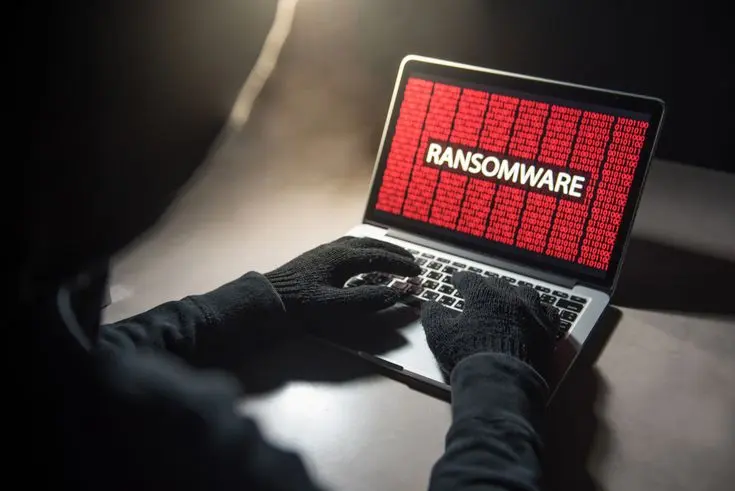
Hackers lock your entire system and demand payment, often in cryptocurrency. Recovery can take weeks without proper backups. Unfortunately, ransomware is one of the fastest-growing cybersecurity threats in Dubai right now.
Network Vulnerability Exploits
Old firewalls. Unpatched servers. Weak passwords. These are open invitations. Regular monitoring closes those gaps.
VoIP & Call Centre Attacks
If you use a dialer solution in Dubai, be aware. Attackers can hijack VoIP lines to make fraudulent calls or steal recordings. This is often overlooked when people discuss cybersecurity threats in Dubai.
Cloud Security Breaches
Misconfigured cloud storage is shockingly common. One wrong setting, and your customer database is public.
The Real Impact of Cybersecurity Threats in Dubai
Let’s talk about damage. It is not just about losing files.
- Financial loss – Direct theft, ransom payments, and recovery costs.
- Downtime – Your team cannot work for days. Revenue stops.
- Loss of customer trust – Clients leave when their data is exposed.
- Legal & compliance issues – Fines and audits from Dubai regulators.
For SMEs, a single attack can mean closing doors permanently. That is why understanding cybersecurity threats in Dubai is no longer optional; it is survival.
If you already feel overwhelmed, remember that professional support is available. You can contact our expert anytime for a clear, no-jargon conversation.
How Businesses in Dubai Can Protect Themselves
You do not need a massive budget. You need a plan.
- Regular IT maintenance – An Annual Maintenance Contract (AMC) keeps systems patched.
- Advanced firewall & endpoint security – Stop threats at the door.
- Employee awareness training – Most breaches start with a human error.
- Data backup & disaster recovery – so you can restore without paying ransoms.
- Network monitoring & threat detection – Catch intrusions early.
- Cloud security management – Control who accesses what.
This is where professional support changes the game. You do not have to do it alone. Many local companies have reduced cybersecurity threats in Dubai simply by adopting structured IT AMC Services in Dubai plans.
Why Choose Professional IT Support Against Cyber Threats
You need a partner who knows the local landscape. Generic advice from overseas does not work here.
With a trusted IT AMC Dubai partner, you get:
- 24/7 monitoring – Even after business hours.
- Proactive threat prevention – Fix issues before they become headlines.
- Local support & compliance understanding – We know Dubai regulations.
- Cost-effective for SMEs – Predictable monthly costs, no surprises.
When cybersecurity threats in Dubai evolve, your protection should evolve too. That is exactly what a good AMC provides.
If you already have an internal IT person, an AMC acts as their backup team. If you have no IT staff, it becomes your complete security department.
For a deeper understanding of modern attack trends, IBM’s predictions for cybersecurity threats offer excellent, authoritative data.
Conclusion
Don’t wait for a breach to happen. Cyber threats are evolving faster than most business owners realise. Hackers, whether black hat, grey hat, or insider, are actively looking for weak targets in Dubai.
The good news? You do not have to be a security expert. By understanding the types of hackers and investing in proactive IT maintenance, you can stay ahead of the curve.
Take action this week. Review your access logs. Run a phishing test. Or simply Contact Us with Our Expert for a free cybersecurity health check. Your future self will thank you.
FAQ
The most common types of hackers targeting businesses in Dubai include black hat hackers, grey hat hackers, script kiddies, hacktivists, and insider threats. Each group uses different techniques to exploit vulnerabilities in business systems.
Businesses in Dubai are vulnerable due to rapid digital transformation, increased reliance on cloud systems, and lack of advanced cybersecurity measures, especially among small and medium-sized enterprises.
Hackers commonly use phishing emails, ransomware, weak network security, outdated software, and unsecured cloud environments to gain unauthorized access to business data and systems.
Phishing attacks and ransomware are among the biggest cybersecurity threats for SMEs in Dubai, as they often lack proper security infrastructure and employee awareness training.
Businesses can protect themselves by implementing regular IT maintenance, using advanced firewall protection, conducting employee training, securing cloud systems, and partnering with professional IT AMC services in Dubai.
IT AMC services provide proactive monitoring, regular system updates, threat detection, data backup, and security management to prevent cyber attacks and ensure business continuity.
Yes, small businesses are often targeted because they have weaker security systems. Investing in cybersecurity solutions helps prevent financial loss, data breaches, and operational downtime.