
Cybersecurity threats are getting worse every day for businesses in Dubai. This is a problem for small businesses, big companies, stores, hospitals, and even new startups. They are all targets for people who want to hack into their systems and cause trouble.
Most of the time, these bad people are successful because businesses do not know how the hackers are getting into their systems. Understanding how viruses enter business systems in Dubai is the first step toward building real protection.
Viruses can spread through emails, infected flash drives, fake websites, unsecured networks, and old software that has not been updated. When a virus gets into a business system, it can steal information, lock files, slow down the system, or even stop the business from working altogether.
This is why businesses need to be careful and get help from IT experts to protect themselves from these threats. In this article, we will talk about the ways viruses get into business systems in Dubai and how businesses can protect themselves.
What Is a Virus Infection Vector?
A virus infection vector is the way bad people get viruses into computers, devices or business networks. These bad people are always looking for points in business systems to get in. Once they get in, the virus can spread quickly to connected systems.
Common infection vectors include:
- Phishing emails
- Fake websites
- Malicious attachments
- Infected USB devices
- Unpatched software
- Unsafe remote access
- Weak passwords
If businesses understand these risks, they can protect themselves better.
1. Phishing Emails and Malicious Attachments
Fake emails are a big threat to businesses all over the world. Bad people send emails that look real to trick employees into doing something that will let the virus in. These emails often look like they are from banks, suppliers, or other companies that the business works with.
The goal of these emails is to get employees to:
- Clicking harmful links
- Downloading infected attachments
- Sharing passwords
- Entering sensitive information
Common malicious files include:
- Fake invoices
- ZIP files
- PDF attachments
- Excel spreadsheets
- Word documents with macros
When an employee opens one of these files, the virus can install itself without anyone noticing and can spread to other systems.
Prevention Tips
- Teach employees how to spot emails
- Tell employees not to open unexpected attachments
- Use email filters to block spam
- Use two-factor authentication
- Install security software on endpoints
Businesses can also work with an IT AMC Dubai provider to ensure their email systems and endpoints are protected all the time.
2. Deceptive Links and Fake Websites
Many malware infection methods begin with fake or compromised websites.
Employees might click on links in emails, social media, ads or messaging apps. These websites can look like real ones, but they are actually fake.
Some fake websites can trick users into downloading viruses, while others can steal login information or financial data.
Warning Signs of Unsafe Websites
- Misspelt domain names
- HTTP instead of HTTPS
- Unexpected pop-ups
- Fake security warnings
- Automatic download requests
Businesses should use web filters and DNS protection to block websites before employees can access them. Strengthening your IT system security in Dubai is essential to prevent these threats.
3. Infected Flash Drives and External Devices
Flash drives are still a risk for businesses. If an infected flash drive is plugged into a business computer, it can spread the virus away. Some viruses can even activate without anyone opening any files.
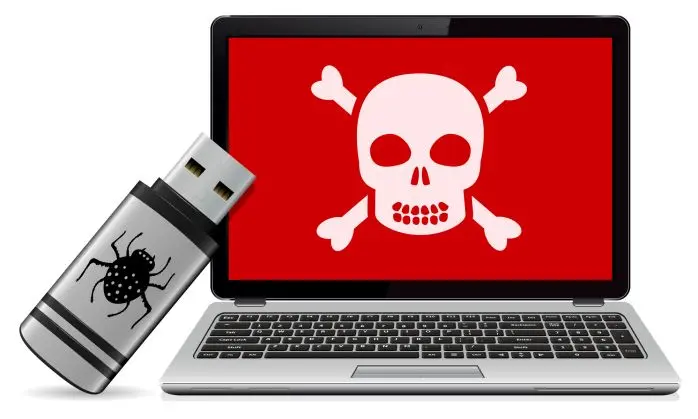
This can happen when employees:
- Use their flash drives
- Share external storage devices between systems
- Plug in devices
- Use external devices
Sometimes, bad people will even leave flash drives in public places, hoping someone will plug them into a business system.
Best Practices
- Turn off the auto-run feature
- Restrict access to flash drives
- Scan external devices before using them
- Teach employees about the risks of using devices
4. Unpatched Software and Security Vulnerabilities
Using software can create big security risks for businesses. Software companies regularly release updates to fix vulnerabilities. Businesses that do not update their software are leaving themselves open to attack. This is one of the most overlooked ways how viruses enter business systems in Dubai today.
Bad people are always looking for businesses that are using software, including:
- Operating systems
- Browsers
- Firewalls
- CRM platforms
- Remote desktop tools
- Business applications
If a vulnerability is found, bad people can use it to install ransomware, steal data or get into the business network.
Why Patch Management Matters
- Close security gaps
- Make their systems more stable
- Prevent malware from getting in
- Reduce the risk of ransomware
Professional IT AMC Services providers in Dubai usually help businesses keep their software up-to-date and fix vulnerabilities before they become a problem. With firewall solutions in Dubai, businesses can block many of these entry points.
5. Drive-By Downloads From Compromised Websites
A drive-by download is when a virus installs itself automatically when someone visits a website. This can happen without the user even realising it.
These attacks often happen through:
- Pirated software websites
- Fake streaming platforms
- ads
- Compromised blogs
- Suspicious browser extensions
Prevention Methods
- Keep their browsers up-to-date
- Tell employees not to download pirated software
- Use DNS filtering
- Block bad websites
- Install advanced security software on endpoints
6. Passwords and Credential Theft
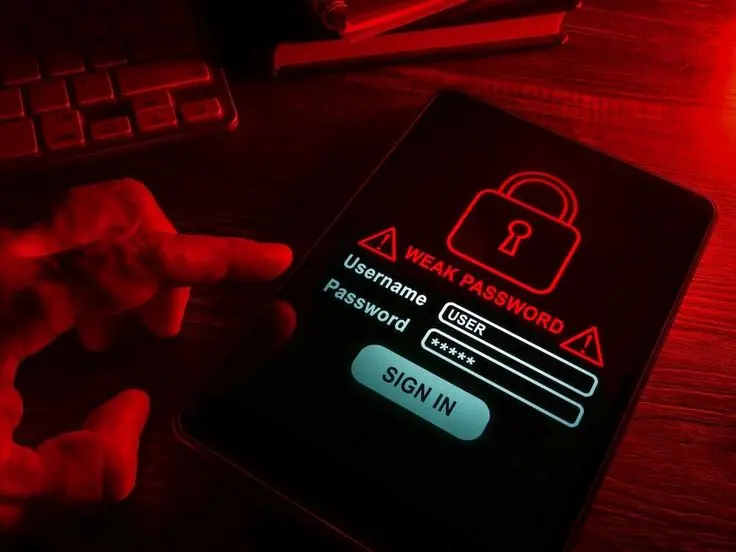
Weak passwords are still one of the easiest ways bad people can get into business systems. Many employees use the same password for multiple accounts. If bad people get these passwords, they can get into email accounts, cloud systems and internal business applications.
Password Security Recommendations
- Use strong passwords
- Enable multi-factor authentication
- Avoid password sharing
- Use password management tools
- Monitor suspicious login activity
7. Unsecured Remote Access and Public Wi-Fi
Remote work has increased virus infection risks for businesses globally.
Employees often use Wi-Fi networks in airports, cafes, or hotels to connect to company systems. If these networks are not secure, they can create a security risk.
Safer Remote Access Practices
- Use VPN connections
- Restrict remote access permissions
- Secure desktop services
- Monitor unauthorised login attempts
- Use zero-trust security policies
Why Dubai Businesses Need Proactive IT AMC Support
Many businesses only react after a cyberattack has happened. This can lead to a lot of downtime, recovery costs and disruption to operations.
A good IT AMC provider can help businesses prevent cybersecurity incidents by:
- Monitoring systems all the time
- Managing firewalls
- Updating software
- Protecting endpoints
- Backing up data
- Monitoring network security
- Teaching employees about cybersecurity
For businesses in Dubai, proactive cybersecurity support is essential to keeping operations safe and reliable.
Conclusion
Bad people use weaknesses to get into business systems. Fake emails, website-infected flash drives, old software, and unsecured remote access are some of the most common ways viruses get into systems. Understanding how viruses enter business systems in Dubai helps you stay ahead of attackers.
Businesses that ignore cybersecurity risks are exposing themselves to data breaches, ransomware attacks, financial losses, and downtime. By understanding these risks, businesses can strengthen their security before bad people can get in.
Working with an IT AMC provider can help businesses in Dubai keep their IT systems safe, updated and protected from evolving cyber threats.
Contact us today for a free consultation and keep your business safe from cyber threats.
FAQ
Phishing emails are one of the most common methods cybercriminals use to infect business systems with malware.
Yes. Infected USB drives and external devices can transfer malware and ransomware into connected business systems.
Outdated software contains security vulnerabilities that hackers can exploit to access systems and install malware.
A drive-by download happens when malware automatically installs after visiting a compromised or malicious website.
Businesses should use antivirus protection, firewall security, software updates, employee cybersecurity training, and proactive IT support services.
Phishing emails trick employees into downloading malware, clicking on malicious links, or sharing sensitive business information.
IT AMC providers help businesses maintain secure systems through monitoring, patch management, endpoint protection, backups, and cybersecurity maintenance.